Understanding the psychological triggers behind gambling behaviors
The allure of risk-taking
The thrill of risk-taking is a primary psychological trigger that draws individuals to gambling. Many people find excitement in the possibility of winning big, which often overshadows the potential for loss. This adrenaline rush can lead to a heightened state of arousal, making players more likely to engage in betting behaviors. The unpredictability associated with gambling can trigger a desire for control, as players may believe they can influence outcomes through their decisions, despite the inherent randomness of games.
The role of reward systems
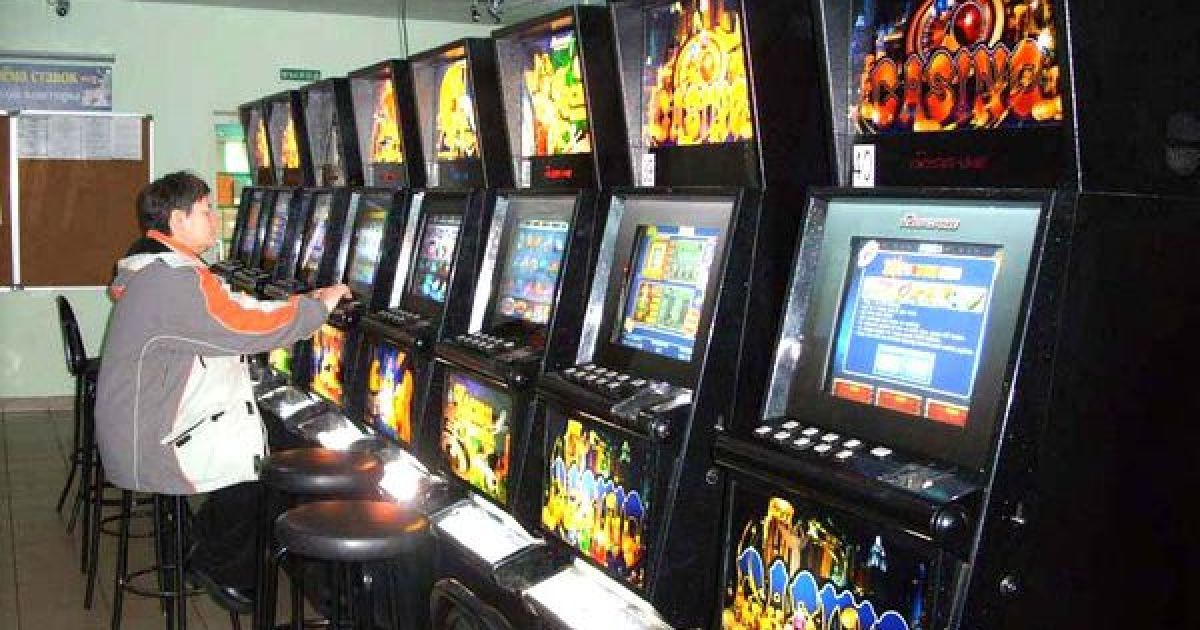
Psychologically, gambling activates the brain’s reward system, releasing chemicals such as dopamine that create feelings of pleasure and satisfaction. This release occurs both during wins and even in anticipation of potential wins, reinforcing the behavior. When players experience a win, the rush of dopamine can lead to a compulsion to continue gambling, often overshadowing the negative consequences of repeated losses.
Moreover, the intermittent reinforcement schedule in gambling—where players win sporadically rather than consistently—can create a powerful addiction loop. This unpredictability keeps players engaged, as the excitement of potential rewards can be so strong that they overlook previous losses or financial strain. Understanding this reward system is crucial for recognizing the psychological traps that can lead to problematic gambling behaviors.
The impact of social factors
Social influence plays a significant role in gambling behavior. Many individuals are introduced to gambling through friends or family, and social norms can shape one’s perception of gambling as an acceptable or even desirable activity. When surrounded by a culture that normalizes gambling, individuals may feel more inclined to participate, believing that it is an integral part of social interaction.
Additionally, online platforms have transformed the social aspect of gambling. Players can now connect with others globally, fostering a sense of community that can reinforce gambling behaviors. This online camaraderie can create a supportive environment, making it easier for individuals to overlook the risks associated with gambling and become more engaged in the activity.
Emotional triggers and coping mechanisms
Many individuals turn to gambling as a way to escape or cope with negative emotions, such as stress, anxiety, or depression. The immersive experience of gambling can serve as a temporary distraction, allowing players to forget their problems. However, this coping mechanism can lead to a reliance on gambling as a way to manage emotional challenges, creating a cycle that can be difficult to break.
Furthermore, emotional triggers can also be linked to significant life events or transitions. For example, someone experiencing job loss or relationship difficulties might turn to gambling for comfort. Recognizing these emotional triggers is essential for addressing problematic gambling behaviors and finding healthier coping strategies.
Experience Wild Robin Casino for responsible gaming
At Wild Robin Casino, players can explore an exciting array of games while being encouraged to engage in responsible gambling practices. The platform provides resources to help players understand their behaviors and make informed decisions. With a generous welcome bonus and a vibrant gaming community, Wild Robin Casino prioritizes user satisfaction and safety.
By understanding the psychological triggers behind gambling behaviors, players can better manage their experiences and enjoy gaming responsibly. Wild Robin Casino aims to create a safe environment where the thrill of gaming can be enjoyed without compromising individual well-being.